
Rodent FAQ
Commonly Asked Rodent Questions & Facts in the Bay Area, CA
In the San Francisco Bay Area, homeowners frequently encounter a variety of rodent species, most notably the Norway rat, the roof rat, and the common house mouse. Due to the region’s temperate climate and dense urban corridors, these pests remain active year-round, seeking shelter in attics, crawl spaces, and lush gardens. Below, we’ll explore and answer commonly asked questions and facts about rodents to help you better understand how to identify, prevent, and manage infestations.
Are Rats Dangerous?
Yes, rats pose significant threats to both health and safety. Beyond the physical damage they cause to homes, they’re carriers for serious diseases. They can transmit illnesses through their droppings, urine, and saliva, or through bites if cornered. Additionally, their tendency to chew on electrical wiring creates a legitimate fire hazard in residential properties.
What Are Rats Afraid Of?
Rats are generally wary of new objects in their environment and the scent of predators. They tend to avoid areas where they detect the smell of cats, dogs, or other natural predators. However, relying on fear factors alone is rarely enough to drive an established infestation out of a home.
How Much Does an Exterminator Cost for Rodents?
The cost of professional rodent control varies depending on the severity of the infestation, the size of the property, and the specific treatment plan required. While some ongoing maintenance plans can start at affordable rates, a one-time exclusion and removal service requires a customized inspection to provide an accurate quote. Contact MightyMite Termite today to schedule an inspection.
What’s the Difference Between Rats and Mice?
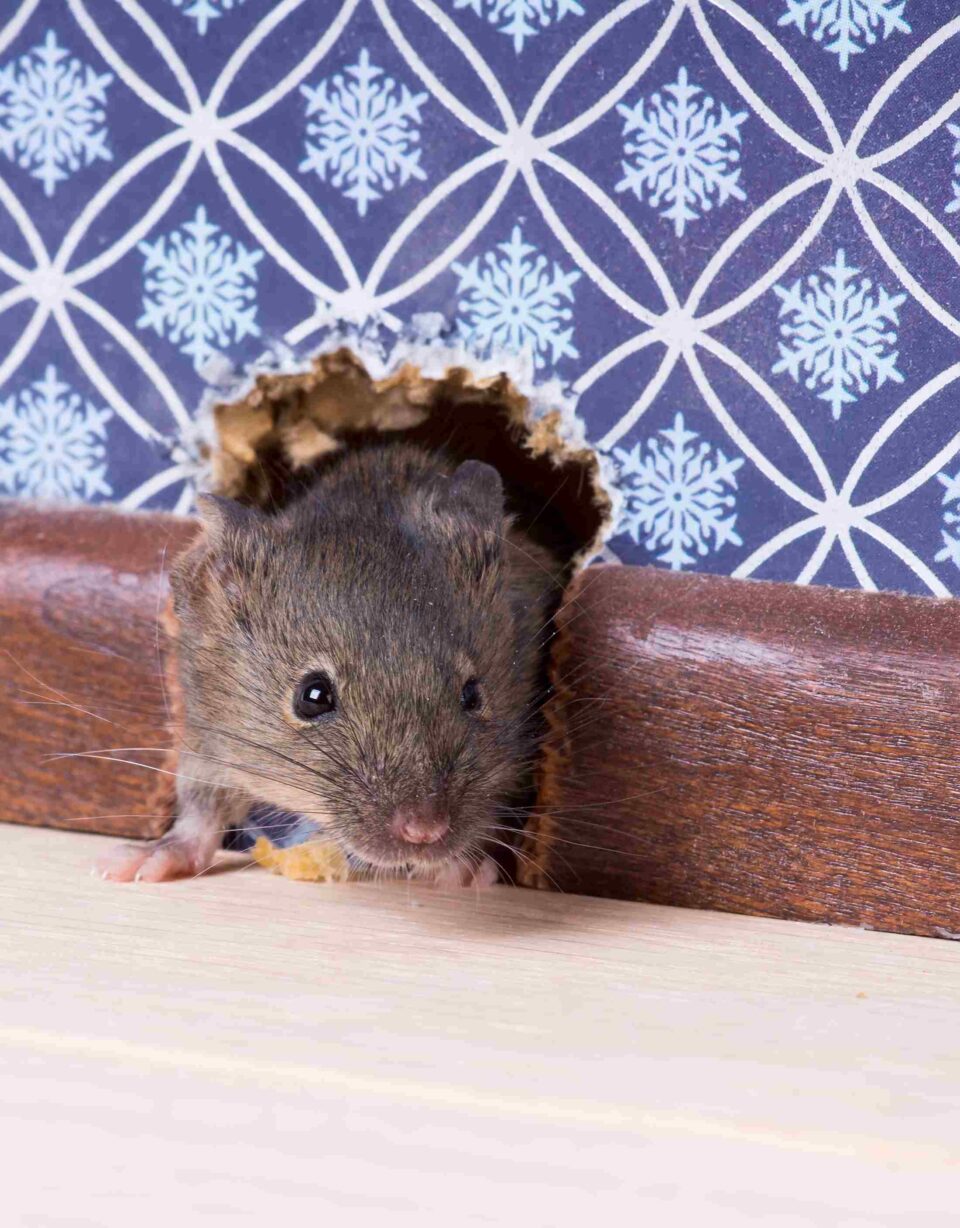
While both are rodents, there are distinct physical differences between them. Mice are generally much smaller than rats. A mouse typically has large, floppy ears and a long, thin tail covered in hair. Rats are larger, have blunter snouts, and their tails are usually shorter relative to their body length, thick, and hairless.
What Attracts Rats to Your Yard?
Rats enter yards in search of food, water, and shelter. Common attractants include unsealed garbage cans, pet food left outside, bird feeders, and unharvested fruits or vegetables in the garden. Overgrown vegetation and wood piles also provide ideal hiding places for them to nest.

How Do Exterminators Get Rid of Rodents?
Professional exterminators use a multi-step approach that goes beyond simple trapping. The process typically begins with a thorough inspection to identify entry points. This is followed by trapping and removal to eliminate the current population. Crucially, our professionals provide exclusion services that seal gaps and cracks to prevent new rodents from entering. We finish with sanitation to clean up dangerous waste.
Can I Use Traps From the Store to Remove Rodents?
Store-bought traps can catch individual rodents, but they’re often a temporary fix. They don’t address the root cause of how the rodents are getting inside. Without sealing entry points (exclusion), new rodents will replace the ones you catch. Professional services provide a long-term solution by securing your home’s perimeter.
Can Rodents Cause Serious Damage to My Home?
Absolutely, rodents have teeth that never stop growing, so they must file them down by gnawing on hard surfaces. They often chew through drywall, wood, PVC piping, and most dangerously, electrical wiring. This chewing behavior can lead to expensive structural repairs, water damage from leaks, and electrical fires.
How Long Does Treatment Take?
The timeline depends on the extent of the infestation. For many homes, the process can be completed in one to three visits. The first visit usually involves inspection, initial treatment, and trapping. We conduct follow-up visits to check traps, seal entry points, and ensure the infestation is fully eradicated.
Are Your Treatments Safe for Children and Pets?
Yes, we prioritize the safety of your family. Our team uses responsible, targeted treatment methods designed for residential use. We apply treatment in areas inaccessible to children and pets, or use tamper-resistant stations, to ensure that only pests are affected by our services.
Do You Offer Rodent Exclusion Services in Addition to Treatment, and What Materials Do You Use to Seal Entry Points?
Yes, exclusion is vital to keeping your home rodent-free. In addition to trapping and removal, we use durable, rodent-proof materials to seal entry points such as gaps in the foundation, openings around plumbing, and cracks in exterior walls. This ensures that once the rodents are out, they stay out.