
Common Places Termites Hide Inside Bay Area Homes
Common Places Termites Hide Inside Homes and Why It Matters
Termites are a problem state-wide in California, but the Bay Area is particularly prone to them. In fact, San Francisco is ranked 8th in the nation for termite infestations. Why? Damp conditions and old wooden homes are the perfect recipe for a termite infestation, providing the kind of habitat these creatures crave. Knowing where to look is the first step in protecting your home from a damaging termite infestation.
Where Termites Commonly Hide Indoors: Termites in Crawlspaces and Beyond
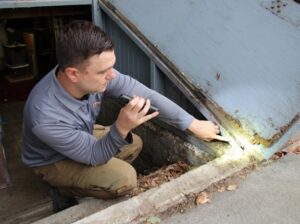
Termites commonly hide in crawlspaces, behind walls, inside wooden beams, and near moisture sources where they can remain undetected while feeding on wood. If there’s one thing termites are good at, it’s hiding. This is what makes them such a dangerous pest. Often, homeowners have no idea that these insects are anywhere near their property until they discover that significant damage has already been done. So, where should you look for termites? Many homeowners know to look on the outside of the building, seeking mud tubes along the foundation, but did you know that those mud tubes can be found inside your crawlspace, as well? Crawlspaces are common in Bay Area homes, and they provide the perfect environment for subterranean termites, who need to stay moist in order to survive. They travel in mud tubes from their underground colonies into homes, often through crawlspaces. If you notice mud tubes, or your wooden floors feel weak or sound hollow, you may have an active termite colony under your home.
Termite Hiding Spots Unique to Bay Area Homes: Termites in Attics of Old Wooden Homes and More
The Bay Area has some gorgeous old homes, and many of these beauties are wooden houses from the Victorian era. This makes the area uniquely interesting in terms of architecture, but it also makes it uniquely appealing to termites. Not only is there ample old wood on which to dine, but because of seismic events that have led to homes being reinforced with wooden beams, sometimes untreated. These new, supple pieces of wood are juicy with cellulose, which is what termites eat. Homes with wooden frames, and old wooden beams in the attic are susceptible to drywood termite infestations.
How Termites Get Inside Your Home
Termites enter homes through small cracks in foundations, gaps around plumbing, and crawlspace vents. As mentioned above, subterranean termites enter the home through mud tubes that protect their vulnerable exoskeletons as they travel away from their colony. That’s not the only way, however, that termites can gain entry to your home. Remember, these insects are tiny, and they can get in through openings that seem impossibly small. Little cracks in the foundation, small gaps around plumbing lines, expansion joints, crawlspace vents, areas where caulking is starting to fail around door and window trims, and other structural openings you might not even notice can provide an entry point for termites.
Early Signs of Hidden Termites: How to Find Hidden Termites in Basements, Attics and Other Areas
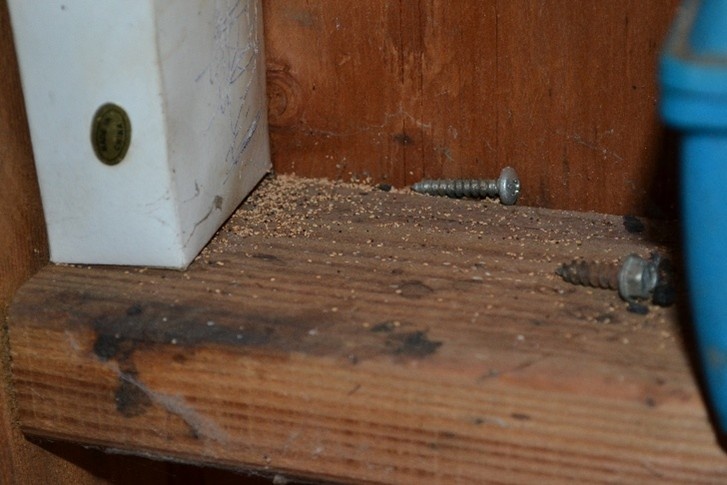
Early signs of hidden termites include discarded wings, hollow‑sounding wood, mud tubes, small pinholes in wood, and piles of frass that resemble sawdust or coffee grounds. One of the first signs of termites that you might notice is abandoned wings on your windowsills and around your door frames. Termite colonies send out swarmers multiple times each year, and these young reproductive insects look for a mate and a new home. When a new couple finds a promising spot, they drop their wings and begin to build a home. So, when you see those wings, you know a termite colony is in the works. Unfortunately, termites don’t fly very far. In other words, even if you haven’t seen signs of termites, the colony that sent those swarmers is nearby. Once damage has begun, you may see tiny pinholes in wooden surfaces, with termite droppings under the holes. Termite droppings look like sawdust or coffee grounds. Pay attention, looking for wood that feels soft, paint that looks bubbled, or wood that sounds hollow.
Why Early Detection of Termites Hiding Inside the House is Important for Bay Area Homeowners
Early termite detection helps prevent extensive structural damage and costly repairs by stopping infestations before they spread throughout the home. Why is it so important to catch these little pests early? The longer they’re in your home, the more damage termites can do. It’s estimated that termites infest about 600,000 homes in the U.S. annually, doing about $5 billion worth of damage. Catching termites when the infestation is minor can prevent major damage to your home and keep you from having to pay for expensive repairs.
When to Call a Professional Termite Inspector to Find Termite Hiding Spots
You should call a professional termite inspector if you notice signs of termites or if your home has not been inspected within the past year. Once you know where to look, it’s not too difficult to spot termite activity in your home. Still, it’s easy for a homeowner to overlook key hiding spots and miss early signs of an infestation. Your best bet is to call in a professional termite inspector at least once a year. Your termite treatment company can help you enact preventive measures, too, to put your mind at ease, knowing you’re protecting your home against these destructive intruders.
MightyMite Termite Services Knows Where Termites Hide in the Home and Offers Free Inspections
At MightyMite Termite Services, we understand termites, and we have deep roots in the Bay Area. In fact, our highly trained and licensed team of termite specialists has been providing effective termite treatment to homes and businesses in this area since 2013. Our goal is to always provide the right treatment for each unique situation, in order to get rid of termite infestations and keep them from returning. As experts in California termite control, MightyMite offers free termite inspections and customized treatments, using treatments that are environmentally low-impact and naturally derived. We have an industry best “no call-back rate,” because our experienced team works hard to solve your termite problems the first time. Our dedication, experience, and highly trained professional staff make us the leading extermination company in the region, and we work hard to provide our customers with excellent service, utilizing best practices to effectively solve their termite problems. To schedule an inspection or learn more about our services, contact us through our website.