
Why Even Newly Built Homes Aren’t Safe from Termites
Understand Why New Homes Still Face Serious Termite Risks
New homes are still at risk for termites because they contain wood, moisture, and soil disturbances that attract termite activity during and after construction. Whether you buy it or build it, a new home offers a fresh, new beginning. Excited for this clean slate, many homeowners overlook the very real threat of termites, believing their new home is immune. The truth is that new homes are vulnerable to termite infestations, just like older homes. How is this possible? There are several factors that increase the risk of termites in new construction.
Termites in New Construction: How They Get In
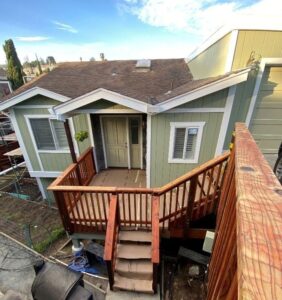
Termites access new homes through loose soil, untreated wood, foundation gaps, and landscaping materials like mulch that contact the structure. There is a common misconception that termites can only get into homes that are older, with outdated building materials, weak foundations, or insufficient maintenance. The reality is that termites are attracted to homes not because of their age or condition, but because they have moisture and cellulose. Cellulose is found in paper, wood, and other plant-based materials, so any home with any wooden components or furniture can be vulnerable to a termite infestation. New homes often have problems with excess moisture, because of poorly installed drainage systems or vapor barriers in crawlspaces, in basements, and around plumbing. So, how do they reach the moisture and cellulose they crave? One potential weakness has to do with the very fact that the home is newly constructed. When builders dig up the soil to lay the foundation, that loose, moist soil makes it easy for subterranean termites to construct tunnels leading into the house. Then, too, leftover wood debris provides termites with an easy food supply.
Why There Are Infestations of Drywood Termites in New Homes
Drywood termites infest new homes when swarmers land on exposed wood and begin nesting inside untreated framing or support beams. Subterranean termites live underground and access new homes through soil and mulch, but what about drywood termites? Unlike subterranean termites, which travel back and forth between their colony and their food sources, drywood termites live inside the wood they are ingesting. They don’t need a damp environment but get all the moisture they need from the wood they eat. They thrive in wood, and their swarmers can easily land in a new construction home and begin to dine. While proactive measures can prevent a termite infestation, builders often do the minimum pre-treatment required by building codes, focusing more on cost and efficiency than on pest management. Support beams and framing materials may go untreated, putting them at high risk of termite activity.
Do Brand New Homes Need Termite Protection?
Yes, brand new homes need termite protection because preventive treatments during construction are often minimal and do not provide long‑term defense. New homes need termite protection just as much as older homes do, and maybe even more. Why? Because when you’re investing in a new home, you want to keep it in good condition, and that means keeping termites out of it. Even if the builder has taken all the necessary steps to protect the house against termites during construction, properly preparing the soil, using pre-treated wood and preventing excess moisture from accumulating, termite control is not a “one and done” proposition. Once the new owner takes possession of the house, termite service should be instituted as quickly as possible, with a full inspection and proactive treatments. In most cases, it is recommended that you perform what is called a “pre-treatment”. A pre-treatment is a treatment of a wood preservative that is sprayed over all the exposed wood members or even the soil before these areas are sealed up by concrete, sheetrock, or siding.
Early Warning Signs of Termites in New Homes
Warning signs of termites in new homes include discarded wings, hollow‑sounding wood, pinholes in drywall, and mud tubes near foundations or crawlspaces. If you’ve already moved into your home and haven’t yet scheduled a termite inspection, keep an eye out for signs of termites. Discarded wings in the window sills and near doors can indicate that swarmers have chosen your home as a nesting spot. Tiny pinholes in drywall, and wood that sounds hollow when it’s tapped are both signs of a termite inspection, as are mud tubes along the foundation or inside the crawlspace. Even if you don’t notice any of these signs, remember that termites are excellent at hiding, so having your home professionally inspected is extremely important.
Why New Homes Get Termites and When it’s Time to Call a Termite Professional
Homeowners don’t always know the right questions to ask when they’re having a home built, and this can mean that they are not even aware of the potential for termites in their new homes. However, there are several things that homeowners can do to protect the investment they’ve made in their homes. The first step is to schedule a termite inspection, and arrange to have this performed annually, from the first year on. If you notice any gaps in concrete or around plumbing, seal them. Then, work with your termite control company to maintain proactive measures that will keep termites at bay.
For Termite Prevention in New Homes, Contact MightyMite Termite Services
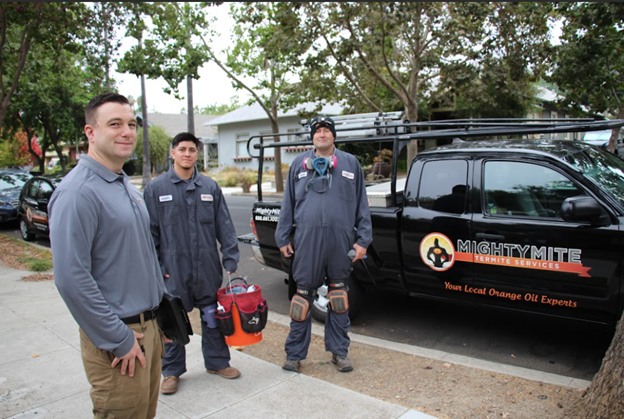
If you’re buying or building a new home, call MightyMite Termite Services for a free inspection. Our experienced, well-qualified technicians will thoroughly inspect your home, going over the whole structure, in order to accurately determine whether termites are present and how you can eradicate or prevent them. At MightyMite, we’ve earned a reputation as experts in California termite control, and we are committed to using termite treatments that are naturally derived, environmentally low-impact solutions to our clients’ termite problems. We diagnose and treat infestations with the most effective methods and unmatched warranties, eradicating infestations the first time, with an industry best “no call-back rate.” That, combined with our experience, technology, and highly trained professional staff, makes us the leading extermination company in the Bay Area. We understand that your home is your most important investment, so we work hard to provide excellent service and transparent pricing, utilizing best practices to solve our customers’ termite problems. To schedule an inspection or learn more about our services, contact us through our website.