
Are Termites Harmful to Humans and Pets?
How to Safely Treat Termites in Your Home in the Bay Area
Finding termites in your home can be unsettling, especially if you have kids or pets. The good news is that termites don’t pose the same direct health risks as many other household pests. However, they can cause serious damage to your home if left untreated. At MightyMite Termite Services, we offer safe termite solutions for homeowners throughout the Bay Area, CA. Our team can inspect your home, identify signs of termite damage, and implement effective treatments to help control them. Learn how attempting DIY treatments at home can affect your family and pets, then schedule your service.
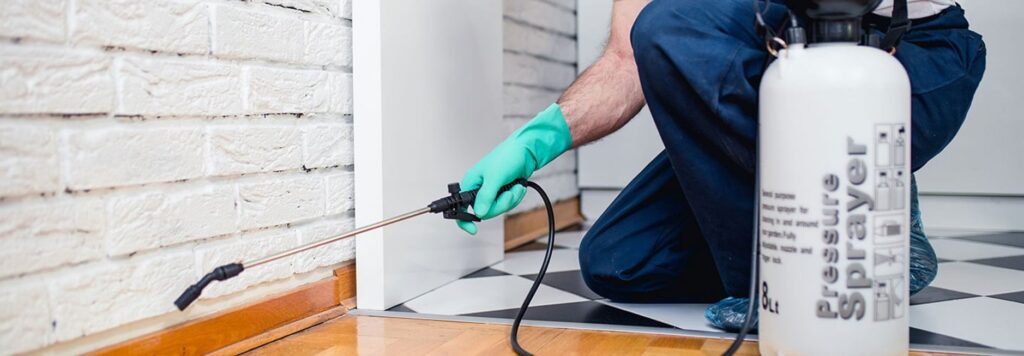
Are Termites Harmful to Humans or Pets?
Unlike other household pests, termites do not typically bite and cannot sting. Termites have strong jaws for chewing through wood, but they will not bite unless they are handled without protective gear. Instead, they take a more indirect approach to harming humans by creating an environment that spreads allergens. One of the most challenging aspects of dealing with termites is that you will probably have no idea these tiny invaders have moved into your home because they prefer living in damp, dark areas where you can’t see them.
Are Professional Termite Treatments Safe for Families and Pets?
Professional termite treatments can be safe for families and pets when selected and applied by our licensed technicians according to product label directions. The precautions depend on the treatment method, the product used, and the area being treated. Our team will explain whether anyone needs to leave the home, how long treated areas must remain off-limits, and when it is safe to return. Following these instructions helps limit exposure while allowing the treatment to work effectively.
What Should I Do With My Pets During Termite Treatment?
Before your termite treatment, talk with our technician about the type of treatment being used and whether your pets need to be moved from the area. In many cases, pets can remain at home during low-toxicity treatments. Still, you may need to keep them out of specific rooms, away from treated wood, or off the property for a short period, depending on the product and application method. Remove pet food, water bowls, toys, bedding, and litter boxes from the treatment area, and make sure dogs, cats, and other animals are secured before the solution is applied.
Why DIY Termite Treatments Can Lead to Bigger Issues
It’s natural for homeowners to panic at the signs of a termite infestation and try DIY termite treatments to eliminate the colony. However, relying on DIY treatments can cause more harm than good:
- Health Risks – Many DIY termite treatments contain ingredients that may pose risks when inhaled, ingested, or touched if not used properly.
- Incomplete Coverage – Store-bought sprays and foams typically only reach the termites you can see, leaving the rest of the colony hidden deep within walls, foundations, or the surrounding soil.
- Redirect the Colony – Treating only one area can cause termites to scatter and relocate to another part of your home, making the infestation harder to locate and treat.
- Structural Damage – While you wait to see if a DIY method works, termites can continue feeding on the wood framing, flooring, and support beams, potentially leading to costly repairs.
Why Home Remedies Rarely Eliminate Active Termite Colonies
Popular home remedies like vinegar, boric acid, and cardboard traps may kill some termites on contact, but they rarely reach the source of the problem. Subterranean termite colonies can contain hundreds of thousands of termites, with the queen and most of the colony tucked away underground or deep inside your home’s structure. Since these remedies only affect the termites they touch, the colony can keep growing and quickly replace the workers that were lost. Drywood termites, which are also common in the Bay Area, pose a similar challenge because they live entirely within wood, where surface treatments can’t penetrate. A professional termite inspection helps pinpoint the type of termite and the extent of activity, so the right treatment can be used to control the colony.
Why Does Professional Termite Identification Matter?
There are multiple termite species. Which treatment to use largely depends on accurately identifying which species has invaded your home.
- Subterranean Termites – These termites live in underground colonies and build mud tubes along foundations to reach the wood in your home.
- Drywood Termites – Drywood termites nest directly inside dry wood, such as attic framing, window frames, and often leave behind small piles of pellet-like droppings.
- Dampwood Termites – Dampwood termites are drawn to wood with high moisture content, which is why they’re often found near leaky pipes, poor drainage, or decaying wood around the home.
How We Choose Termite Treatment for Your Home
We choose a termite treatment based on the affected area and the termite species present. Localized activity may be treated with targeted wood applications, while a widespread drywood termite infestation may require a whole-structure treatment. Subterranean termites often require soil treatments, and dampwood termite control typically involves correcting moisture problems and replacing damaged wood. After inspecting your home, our technicians will recommend the treatment method best suited to the location and extent of the infestation. MightyMite Termite’s low-toxicity termite treatments include:
- Orange Oil: We inject orange oil into the existing termite channels and galleries. The active ingredient, D-Limonene, breaks down the termite’s exoskeleton. Orange Oil is an immediate-kill product that requires drywood termites to come into direct contact with it to be effective. After about 2 weeks, orange oil will dissipate from where it was applied.
- BoraCare or Tim-Bor: We spray BoraCare or Tim-Bor, mixed with water, onto areas of exposed wood. BoraCare or Tim-Bor has a high concentration of borate salts that can help prevent termites for 10 to 20 years.
- Termidor SC: We apply Termidor SC as a soil treatment to target termites. The solution is made from non-repellent, undetectable materials that termites cannot detect.
- Termidor Foam: We apply Termidor Foam directly into the existing termite galleries for drywood termites where signs of active infestation are present. The foam expands throughout the galleries, acting as a transfer agent among termites, and can continue to work for up to 6 months after application.
Low-Toxicity Termite Treatments Are Available
MightyMite Termite Services diagnoses and treats termite infestations with the most effective methods and warranties. Since 2012, we’ve offered low-toxicity termite treatments in the California Bay Area. Our technicians are licensed and extensively trained to identify signs of a termite infestation and protect your home. We know termites will try to return to eat more wood, so we’re always armed with preventative termite treatments. You can count on us for free termite inspections to determine if you have termites and the extent of the damage.
Termite FAQ
Termites do not spread diseases that affect humans.
Yes, pets can be harmed by certain DIY termite treatments, especially if they are not cordoned off.
Yes. If you find termites in your home, it’s important to schedule a professional inspection to identify the termite species, assess the extent of activity, and determine the most appropriate treatment option.